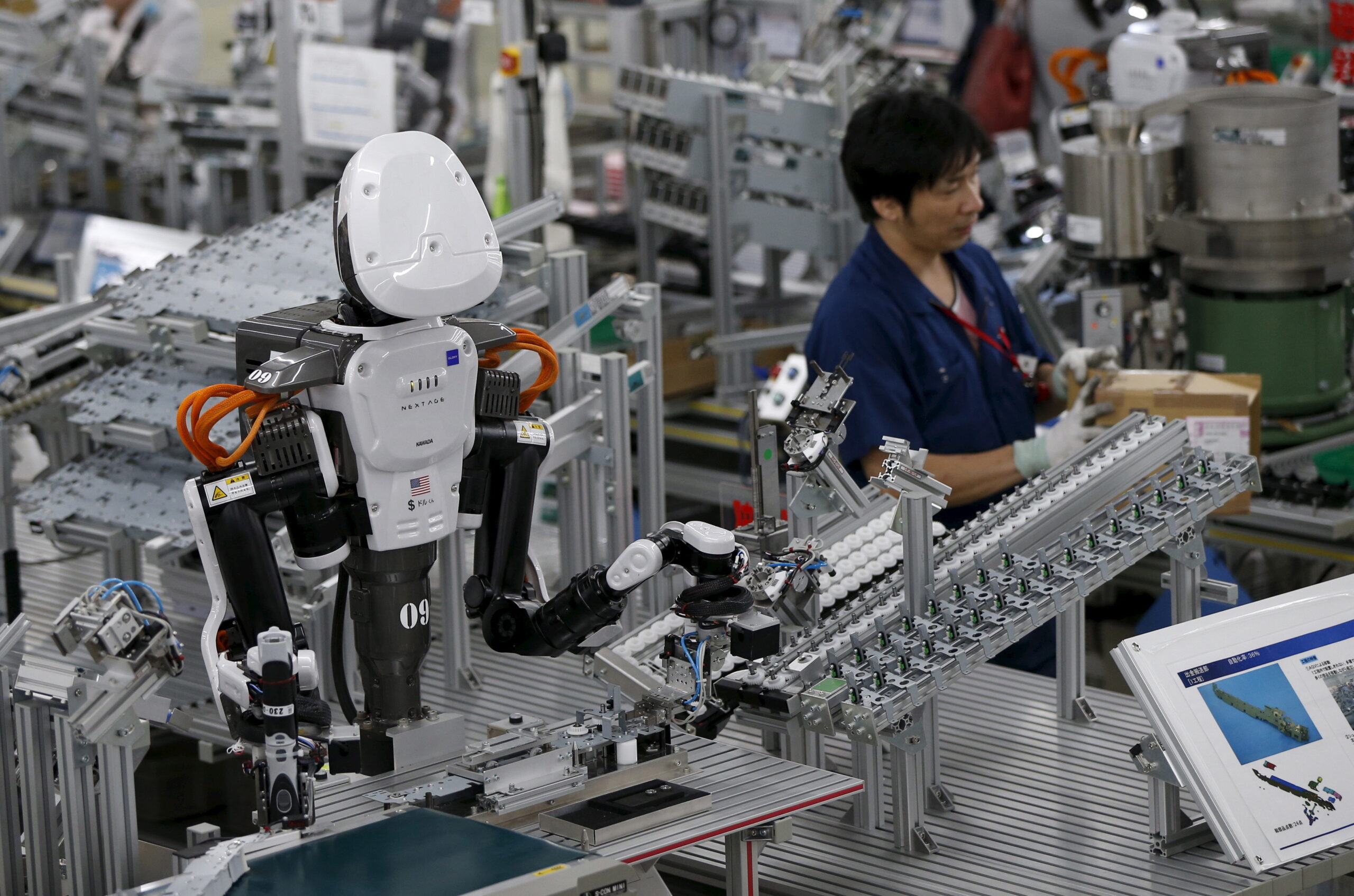
As the world moves deeper into 2025, the global labor market is embarking on one of the most profound shifts it has seen in decades. Rapid automation, rising wage pressures, and an uneven post-pandemic recovery have combined to recast the way businesses operate, the way workers adapt, and the way governments craft policy.
It is not a temporary shift, but rather it signals a new era in global employment trends and economic strategy.

Why the Global Labor Market Is Changing
a. Automation Speeds Up Across Sectors
Automation, earlier concentrated in the manufacturing industry, has now extended to services, logistics, retail, finance, and even creative fields. Enterprises are now integrating :
- AI-powered administrative tools
- Robotics for Production and Warehouse Operations
- Replacing traditional support with automated customer service systems.
- Predictive analytics for decision-making and workflow optimization
This automation process was accelerated by the pandemic, whereby organizations sought to reduce dependence on physical presence and sought to operate remotely.
b. Labor Shortages Driving up Wages
Most surprisingly, however, automation has increased skilled-labour demand in many economies. Tightening labour markets, coupled with demographic changes, including falling birth rates, have driven wages up for the following :
- Healthcare
- Transportation
- Technology
- Construction
- Professional services
Wage growth has been highly uneven across both regions and industries, leading to new inequalities.
c. The recovery post-pandemic is very uneven.
Some economies, well-endowed digitally, thus regained much quicker, helped by government stimuli, while many are still fighting against inflation, disruption of supplies, and structural unemployment.
This uneven recovery is affecting global hiring trends, as well as cross-border labor mobility and investment flows.
Automation and its Impact on Employment
a. Jobs Are Not Just Disappearing—They Are Transforming
Automation does not just eliminate jobs; it reshapes roles, shifting repetitive tasks to machines while increasing demand for :
- Data analysts
- Software engineers
- Cybersecurity experts
- AI technicians
- Logistics planners
- Managers of remote operations
The world economy rewards adaptability, not routine skills.
b. The Highest Vulnerability Faced by Low-Skill Jobs
The jobs most susceptible are those in retail, basic manufacturing and routine administration. Today companies also make use of :
- Self-service kiosks
- Automated packaging lines
- AI scheduling tools
- Autonomous delivery options
Workers in such occupations need upskilling or else they will be displaced.
c. New Job Categories Are Emerging
Automation opens entirely new professions like :
- AI prompt engineering
- Human-machine interaction design
- Remote integration of workflows
- Green technology operations
These emerging fields will define the future labor markets.
Wage Trends for a Post-Pandemic Workforce
a. Wage inflation remains high
Despite the economic growth going down, labor shortages are keeping wages high. Workers are expecting higher compensation because of :
- Increased cost of living
- Housing affordability issues
- Medical expenses
- Education and training costs
It is this pressure that contributes to overall economic inflation.
b. Skilled Workers Have Greater Bargaining Powers
Especially in niche talents dealing with technology, engineering, and health, firms are offering higher salaries and flexible schedules; firms desperately compete for star performers.
c. Wage Gaps Widen Between Skilled and Unskilled Labor
The gap between high-income and low-income workers is continually increasing due to :
- Automation replaces low-skilled jobs
- High demand for digital skills
- Unequal access to training and education
This gap would increase, without the interference of policy.

Workforce Behaviour and Expectations Post-Pandemic
a. Employees appreciate flexibility.
Many employees today demand :
- Remote or hybrid work arrangement
- Smaller workweeks
- Better work-life balance
- Mental health support
Those organizations that would resist these changes risk losing their talent pool.
b. The Imperative of Reskilling and Upskilling
Various governments and companies invest in training programs, re-preparing the worker for high demand jobs. Digital literacy in the future will be just as important as traditional education.
c. The Rise of the Freelance and Gig Economy
More employees prefer independent or contract employment because of the following reasons :
- Greater autonomy
- Higher earning potential
- Diversified income sources
- Remote job opportunities
Freelance-supportive platforms are rapidly developing all over the world.
Labor Market Recovery: Differences across the Globe
a. Advanced Economies Recover Faster
These include countries like the United States, South Korea, Japan, and parts of Europe that have benefited from strong digital infrastructures and fiscal support.
b. In developing economies, the challenges are greater
Many of the emerging markets still face :
- High unemployment
- Currency instability
- Slower wage growth
- Limited access to technology
It also contributes to a steadily growing gap in labor around the world.
c. Shifting Migration Patterns
Certain countries have to deal with aging populations and workforce shortages, making them increasingly dependent on foreign workers to continue economic growth.
The Future of the Global Labor Market
a. Rise of Human-AI Collaboration
Rather than replacing workers, AI will become a tool that will enhance productivity. Human creativity and machine efficiency will both play their role in the future workplace.
b. Soft Skills in Higher
Demand This makes skills related to communication, leadership, problem-solving, and emotional intelligence more valuable, as automation will take over the technical tasks.
c. Lifelong Learning Becomes the Norm
Workers of all levels will need continuous training to compete in rapidly changing industries.
Conclusion
Strong, transformative changes are underway in the global labor market, including automation and shifting wage dynamics. The recovery from the pandemic is proving uneven in its pace around the world. This new landscape brings with it challenges and opportunities. Workers who adapt, businesses that innovate, and governments that invest in human capital will be best positioned for success in the evolving global economy.