The very nature of work has been changing in the face of rapid shifts that have occurred within the digital landscapes of today. Economically speaking, the gig economy would refer to working individuals who are engaged in flexible, temporary, or even freelance employment. This new digitally powered way of working has created more avenues toward independence, creativity, and global connectedness for some; at the same time, however, it raises other questions about stability, rights, and even how one should think of work in this century.
The Rise of Flexible Work
On the past decade, the gig economy already grown really fast, facilitated by online platforms that connecting freelancers and clients. Companies such as Uber, Upwork, Fiverr, and Grab have become the symbols of new change. Unlike traditional employment, where people work for a single employer for fixed hours, gig workers enjoy the freedom to choose when, where, and how they work.
This flexibility that appeals especially to the younger generation, who value work-life balance more than a strict office routine. Digital technologies have made execution of projects, delivery of services, and earning someone’s income possible from anywhere in the world. For many, this model epitomizes empowerment: it is an opportunity to convert skills into income without the constraint of a 9-to-5 job.
Technology as the Enabler
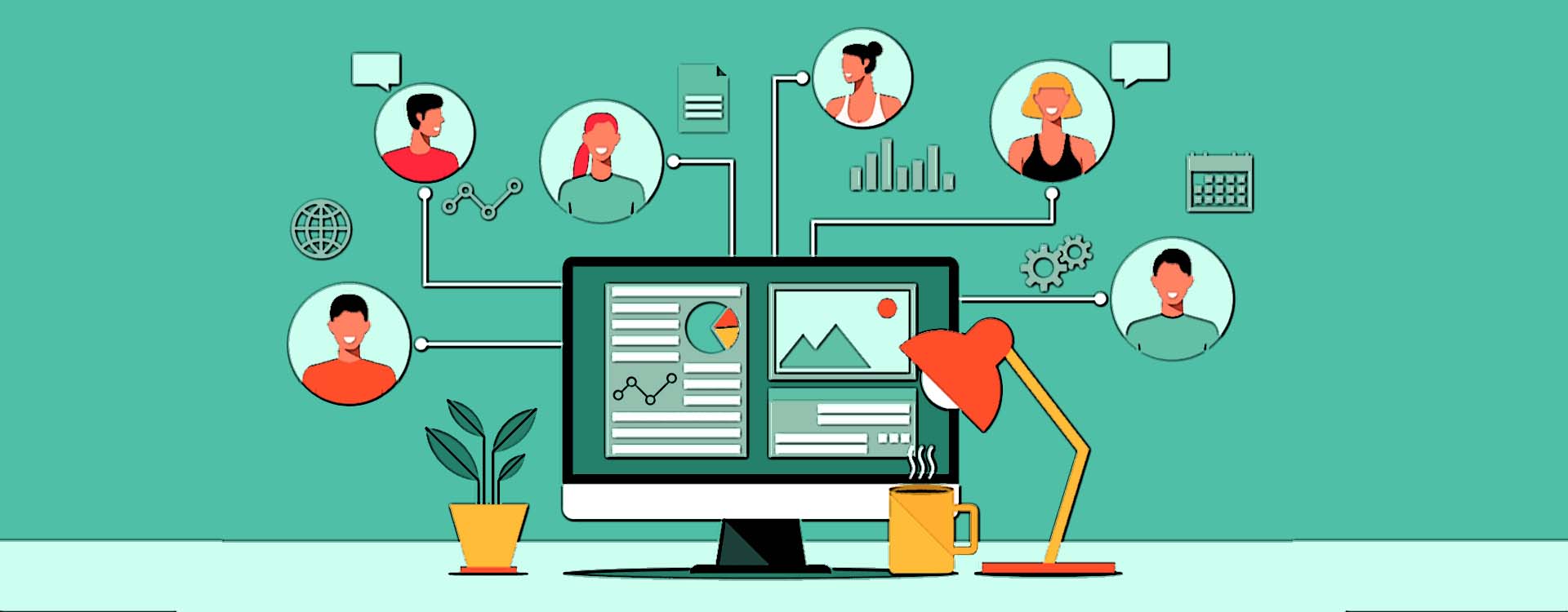
Indeed, the prosperity of the gig economy is inextricably linked with technological innovation. A suite of supporting technologies in mobile apps, cloud computing, and digital payments enables seamless work from a distance. One can find clients across continents, manage projects online, and even get paid instantly by simply tapping one’s smartphone a few times.
There is also a critical role played by artificial intelligence and data analytics: the platforms use algorithms that match workers up with jobs most relevant to them, predict demand, and make sure efficiency is ensured. Meanwhile, with social media and personal branding, freelancers get to market themselves directly and build trust and visibility in fiercely competitive markets. In other words, technology is the infrastructure behind modern freelance work.
Opportunities and Challenges
This freedom and flexibility comes with challenges. Most gig workers forgo the health insurance, paid leave, or retirement plans enjoyed by their conventionally employed counterparts. Their job security is usually not guaranteed, as most of them depend on the dynamics of market demand and client availability. Besides, competition can bring prices down, and that makes it impossible for some workers to have a stable income.
The gig model presents an organization with a huge pool of talent across the globe, sans any long-term commitments. Even corporations or startups benefit by hiring specialized professionals on demand, reducing the costs of operation. But this also blurs the line that separates employment from self-employment and raises ethical and legal questions about workers’ rights in the digital age.
A Changing Work Culture
Beyond the economy, the gig economy is fundamentally changing work culture: encouraging entrepreneurship, independence, and continuous learning. Many professionals use gig work as a means to learn new skills, build a portfolio, or transition to an independent career. It also fosters diversity: people of every background, country, or lifestyle imaginable can collaborate or contribute on anything in the world. This transformation increasingly compels governments and institutions to review labor policies, tax systems, and digital regulations in light of measures that protect gig workers while encouraging innovation. Such a balancing act weighs flexibility against considerations of fairness: ensuring that technology-driven employment is good for all.

Conclusion: The Future of Work
It’s more than just a passing trend; it’s a whole new paradigm that challenges traditional notions of work and success. The old notion was that one’s employment should be tied to a single company or location. In its place, adaptability, independence, and digital empowerment are celebrated. As technology continues to evolve, so too will the gig economy.
A future of work that is not only flexible but also fair and inclusive can be forged by balancing innovation and regulation. In this digital era, the gig economy is a shining example of how work can change. It is dynamic, non-hierarchical, and powered by human ingenuity.